| . |
11TH CONFERENCE OF PARTIES OF THE UN FRAMEWORK CONVENTION ON CLIMATE CHANGE
The first Meeting of the Parties to the Kyoto Protocol in conjunction with the eleventh session of the Conference of the Parties to the Climate Change Convention was hosted by Canada at Palais de Congress de Montreal in the period from 28 November to 9 December 2005.
This Conference is a very important event because it is not only the eleventh meeting of the Conference of the Parties, but it marks the entry in force of the Kyoto Protocol. The Conference was the largest intergovernmental climate conference since the adoption of the Kyoto Protocol in 1997.
Mr. Valeriu Cazac, the Director of the State Hydrometeorological Service of the Republic of Moldova, National Focal Point for the implementation of the United Nations Frame Convention on Climate Change was also present at the Conference.
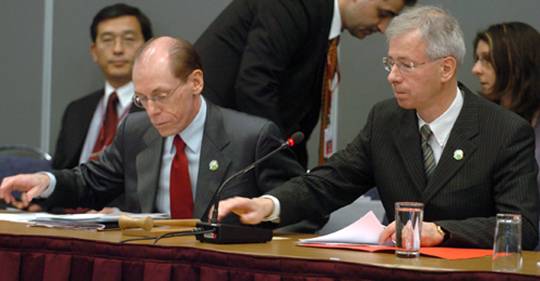
The United Nations Climate Change Conference began on 28 November with calls for action from the Conference’s President, Environment Minister Stephan Dion and the United Nations Climate Change Secretariat, with the launch of the first ever meeting of the 157 Parts of the Kyoto Protocol and with the opening of the eleventh meeting of the Conference of the Parties to the United Nations Frame Convention on Climate Change.
Stephan Dion mentioned that in his discussions with the countries all around the world, it had become clear that there is a growing sense of the need for action. He said that Governments are acting decisively to fully implement the Climate Change Convention and are determined to meet their commitments under the Kyoto Protocol.
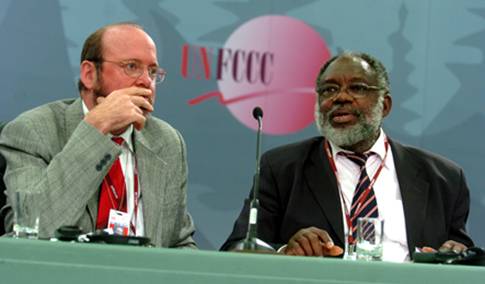
Richard Kinley, acting head of the UN Climate Convention Secretariat in Bonn, Germany pointed out that this conference was going to be very big, and would also be very busy. He said that the conference would help to solidify the opportunities of the Kyoto Protocol. Also at the opening of the conference Richard Kinley presented a statement about the importance of the Kyoto protocol and briefly lighted some recent developments which are important for the work of the Conference.
On the 30 of November the Montreal Climate Conference adopted the “rule-book” of the Kyoto Protocol. Kyoto Protocol entered into force on 16 February 2005, but this Conference marked the fact that now the protocol is fully operational. Several categories of observer organizations also attended sessions of the COP and its subsidiary bodies. This includes representatives of United Nations secretariat units and bodies, such as UNDP, UNEP and UNCTAD, as well as its specialized agencies and related organizations, such as the GEF and WMO/UNEP Intergovernmental Panel on Climate Change (IPCC). Observer organizations also include intergovernmental organizations (IGOs), such as the OECD and its International Energy Agency (IEA), along with non-governmental organizations (NGOs). Among the representatives of the specialized agencies and related organizations we can mention the General Secretary of WMO, Mr. Jarraud, Secretary of WMO/ UNEP Mr. Renault Christ, Deputy Secretary of WMO, Jian Liu, and Secretary of Action for Climate Change Community, Mr. Peter Luff. The Conference was closed at 9 December and the final decisions and conclusions are supposed to be published later. Until that moment the participants of the Conference discussed and adopted another important decisions and statements. |
|